

Last Updated: November 19, 2026
Quick Summary
You can buy coin collecting supplies online from My Collectables, which stocks supplies from the Royal Australian Mint and the Perth Mint. Match the holder to the coin by measuring its diameter in millimetres first, then buy capsules, tubes or folders sized to fit. Start with essentials under $50 and add albums only once you have a defined set.
- Measure your coin's diameter in millimetres before buying any capsule or holder.
- Tier one essentials under $50 cover a small capsule pack, one coin tube, cotton gloves and a silica gel sachet.
- The Australian $1 Coin Collection Folder stores 36 coins and measures 180 mm by 220 mm.
- Skip display cabinets, bulk single-size capsule packs, grading tools and large empty albums at the start.
- Confirm a seller's return window, tracked delivery and payment protections before you pay.
Table of Contents
- What Australian Coin Collectors Actually Need to Buy Online
- Coin Collecting Supplies for Beginners: A Sensible Starter List
- Coin Capsules and Sleeves: Protection for Individual Coins
- Coin Tubes for Australian Coins and Mint-Roll Storage
- Coin Albums and Folders for Displaying a Collection
- How to Vet an Online Coin Supply Seller Before You Pay
- Build Your Storage Setup With My Collectables
- Frequently Asked Questions
What Australian Coin Collectors Actually Need to Buy Online
Buying coin collecting supplies online comes down to one principle: match the holder to the coin, not the other way round. A one-dollar coin rattling inside an oversized capsule can slide and pick up scratches.
Australian coins are not uniform. A circulating one-dollar coin, a two-dollar coin, a one-ounce silver bullion piece and a commemorative release all differ in diameter and thickness. Suppliers list internal dimensions in millimetres, and that figure matters more than the product photo.
The Australian dollar coins most collectors store fall into a few broad groups:
- Circulating one-dollar and two-dollar coins, standard diameter
- Commemorative releases with slightly different rim specifications
- One-ounce bullion coins, which need deeper capsules
- Mint-roll and bag-stored coins, which suit tubes rather than capsules
Measure the coin first. Then buy the holder.
Coin Collecting Supplies for Beginners: A Sensible Starter List
New collectors often overbuy. The most common pattern is a large album bought before there are enough coins to fill a page, followed by refill pages that no longer suit the set being built. A sensible starter list is short, and it should be sized to the coins you actually own rather than to an imagined future collection.
Here is the order we would buy in, with three budget tiers so you can stop at the level your collection justifies.
Tier one: the essentials (under $50)
- A small pack of capsules sized to your main coin type, buy five or ten, not fifty
- One coin tube for duplicates or mint-roll storage
- Cotton gloves for handling
- A silica gel sachet for your storage box
This tier covers a handful of circulated coins and one small set. It deliberately excludes albums, because a folder or album only makes sense once you have a defined set to house.
Tier two: adding organisation ($50-$150)
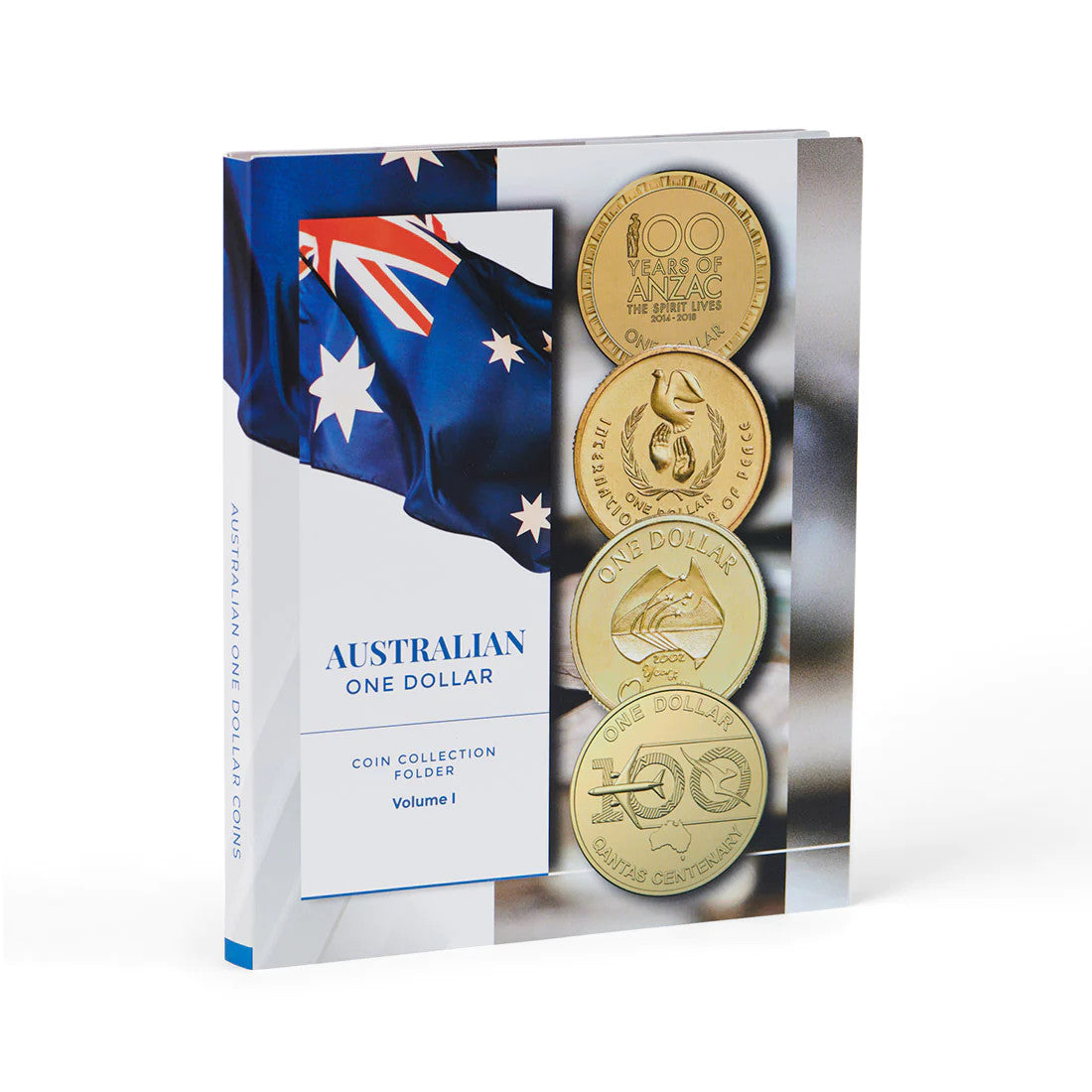
Add one album or folder for the set you are actually building, plus a pack of refill pages if the album uses them. For one-dollar sets, a dedicated folder such as the Australian $1 Coin Collection Folder stores 36 coins and measures 180 mm by 220 mm. Add a second tube if you are accumulating duplicates of more than one denomination.
At this tier, also add a small magnifying glass and a soft lint-free cloth. Neither protects coins, but both reduce the temptation to handle them unnecessarily.
Tier three: when the collection justifies it ($150+)
Add a display cabinet or presentation case, a second album for a new set, and a proper storage box with a gasket seal. Grading tools and slabs come later still, most collectors find they are better bought after the collection has enough high-value pieces to warrant the outlay.
What to skip at the start
- Display cabinets, which take up space and expose coins to light
- Bulk capsule packs in a single size before you have confirmed the fit
- Grading tools and slabs
- Large albums with no set to fill them
Storing coins loose in a drawer alongside other metal items risks scratches, so keeping them in capsules, sleeves or folders is the safer approach.
Here is the buying order the article recommends, with what each budget tier adds.
| Tier | Budget | What to add |
|---|---|---|
| Tier one: essentials | Under $50 | Small capsule pack, one coin tube, cotton gloves, silica gel sachet |
| Tier two: organisation | $50-$150 | One album or folder, refill pages, second tube, magnifying glass, lint-free cloth |
| Tier three: justified collection | $150+ | Display cabinet or presentation case, second album, storage box with gasket seal |
| Skip at the start | , | Display cabinets, bulk single-size capsule packs, grading tools and slabs, large empty albums |
Coin Capsules and Sleeves: Protection for Individual Coins
Capsules and sleeves protect individual coins from handling, air and abrasion. Capsules are rigid plastic, usually round, and suit higher-value or uncirculated pieces. Sleeves are soft plastic and suit lower-value coins or short-term storage.
Capsule sizing is where most buyers go wrong. A capsule needs an internal diameter close to the coin's actual diameter, with just enough clearance to seat the coin without movement. Too large and the coin slides; too small and you risk edge damage forcing it in.
Buying capsules in bulk before confirming the size is a common mistake, so it is sensible to measure the coin first and test the fit before ordering a larger quantity.
Coin Tubes for Australian Coins and Mint-Roll Storage
Tubes hold stacks of coins, either as mint-roll storage or as a way to keep duplicates organised. They suit circulating coinage, bullion coins bought in quantity and any collection with more than a handful of the same type.
Coin Albums and Folders for Displaying a Collection
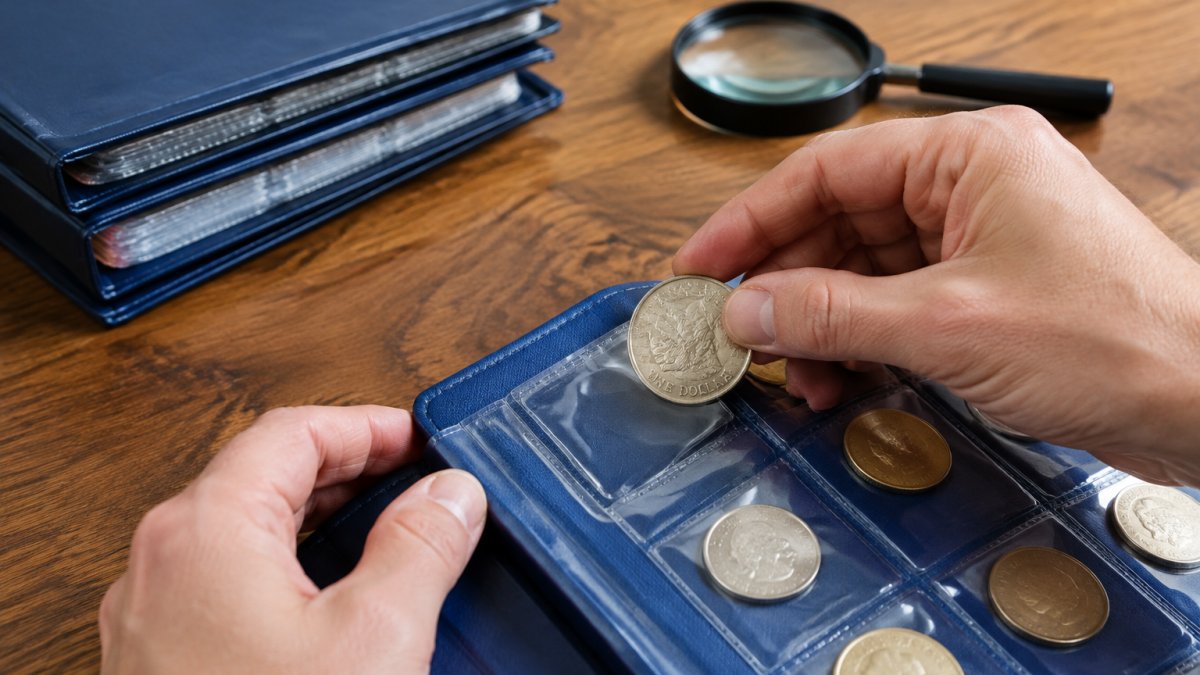
Albums and folders turn a box of coins into something you can actually show people. Folders suit a defined set with push-in pockets, while albums use refill pages you can rearrange as the collection grows.
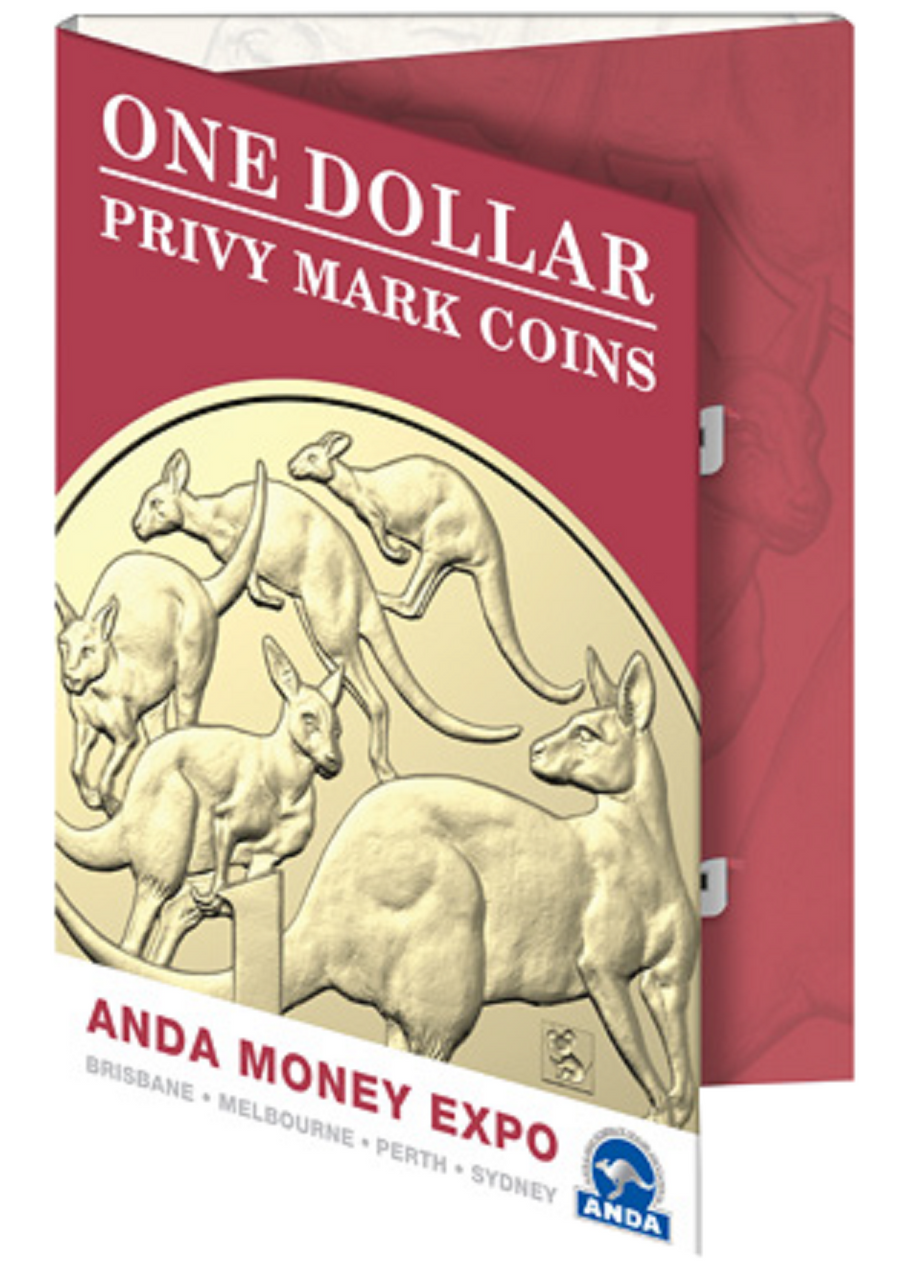
For one-dollar sets, the Australian $1 Coin Collection Folder stores 36 coins and measures 180 mm by 220 mm, so it fits on a standard shelf. For a specific commemorative run, the 2021 ANDA $1 Expo Privy Mark Folder houses the four Money Expo privy mark coins in one compact folder.
Folders are better suited to display and organisation than to maximum protection.
How to Vet an Online Coin Supply Seller Before You Pay
Vetting a seller takes five minutes and saves a lot of grief. Check who they are, what they stock, how they ship, what happens if something goes wrong, and how you are protected if it does.
Start with the product listing
Sellers that list internal dimensions, materials and capacity make it easier to choose the right product, so check that the listing gives these details before buying.
Confirm the seller's identity
An authorised distributor relationship with a mint is worth confirming. The Royal Australian Mint's coin release information explains how official releases reach collectors, and the Perth Mint's collector coin shop is a reference point for official new-release products.
Shipping, insurance and returns
Supplies are low-value compared with coins, but shipping still matters. Ask whether delivery is tracked and whether insurance covers loss in transit before ordering.
Returns are an important consideration. Ask before you buy:
- What is the return window?
- Who pays return postage if the item is faulty?
- Are opened packets of capsules or sleeves still returnable?
- Is a change-of-mind return accepted, or only faulty goods?
A seller who cannot answer these clearly is one to skip.
Payment protections
Pay by a method that gives you a dispute path.
Check that the checkout page is secure before entering card details, and keep the order confirmation and tracking number until the goods arrive and you have checked them.
A quick pre-purchase checklist
- Internal dimensions stated in millimetres
- Materials named (PVC-free where relevant)
- Tracked delivery as standard
- A stated return window and who pays return postage
- A payment method with chargeback or buyer protection
- A physical business address and contact details
Be cautious with prices well below other sellers for the same branded product, and confirm the item is genuine before paying.
Build Your Storage Setup With My Collectables
Good storage is simple and unobtrusive when it works. Collectors who protect their coins well tend to choose the right capsule first time and handle coins with care.
If you are ready to set up properly, browse the My Collectables range to match holders to the coins you actually own. We stock supplies from the Royal Australian Mint and the Perth Mint.
Get started with My Collectables and store your collection the way it deserves.
Frequently Asked Questions
What coin collecting supplies does a beginner actually need?
Start with a folder or album for the series you are collecting, a pack of inert capsules or sleeves for any uncirculated coins, and a pair of cotton gloves for handling. A magnifying glass and a soft cloth round it out. You do not need tubes, grading tools or expensive cabinets on day one. Buy one storage format, use it for a few months, then add to it once you know how your collection is growing.
Are coin albums or coin capsules better for storing Australian coins?
They do different jobs. Capsules protect individual coins from air, moisture and fingerprints, which matters for uncirculated and proof issues. Albums and folders hold a whole series in order and let you see the collection at a glance, but the coins sit in open pockets. Many collectors use both: capsules for the coins that carry a premium, folders for circulated sets such as the one-dollar series. Match the holder to the coin's value and condition.
How do I choose the right coin capsule size?
Measure the coin's diameter in millimetres and buy a capsule sized to that measurement, not a generic one-size option. Australian one-dollar and two-dollar coins are larger than ten and twenty cent pieces, so a mixed collection needs several sizes. Capsules that are too large let the coin rattle and pick up edge marks; too small and it will not seat flat. Check the listed internal diameter on the product page before ordering.
What should I check before ordering coin supplies online?
Read the product dimensions against your coins, and check whether delivery is tracked and insured. Look at the returns policy for damaged or incorrectly described items, and confirm payment options. For higher-value orders, ask whether the parcel is insured for its full value. A seller who publishes clear specifications and delivery terms is easier to deal with if something goes wrong.
